Hiking Trails Around Belvédère Sainte-Victoire
Nine routes selected by Bernard, all accessible within 15 minutes of Belvédère. Downloadable GPS tracks included.Sainte-Victoire and Aix-en-Provence at Your Doorstep
From Belvédère, you are ideally located between the two treasures of the Aix region. To the east, the western side of Sainte-Victoire and some of the most beautiful trails in Provence. To the west, the historic center of Aix-en-Provence, with its fountains and old streets. Just a few minutes by car, and sometimes even on foot, are enough to reach the trailheads.
Bernard has selected nine routes for you, from an easy lakeside walk for families to a challenging climb up to the Croix de Provence, including cultural circuits through the heart of Aix. Each trail comes with a GPS track that you can download to your phone before heading out.
Source for the GPX tracks: Visorando
Source des tracés GPX : Visorando
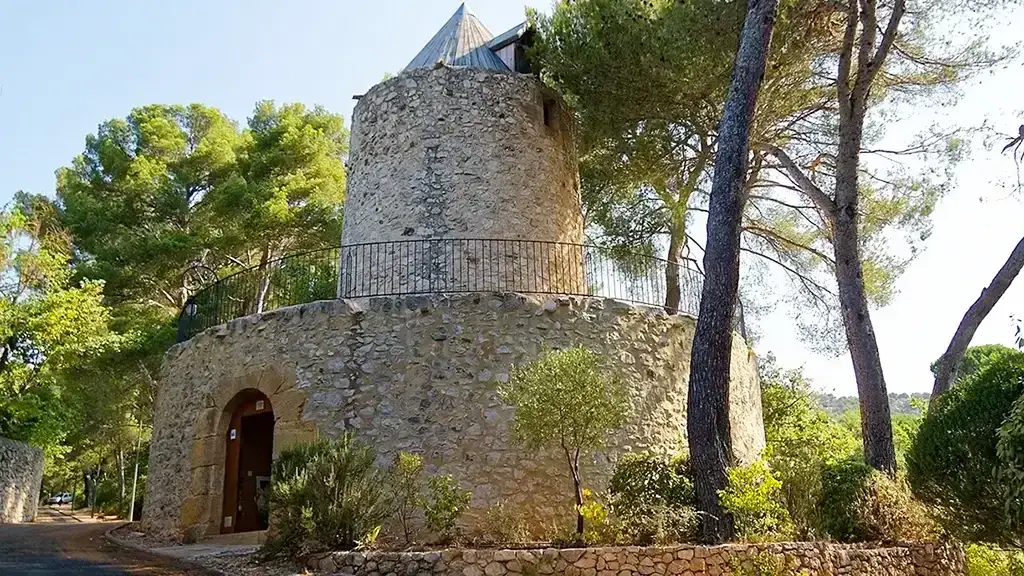
Cézanne’s Mill and the Zola Dam
🟢 Easy
6,94 km - 2h50
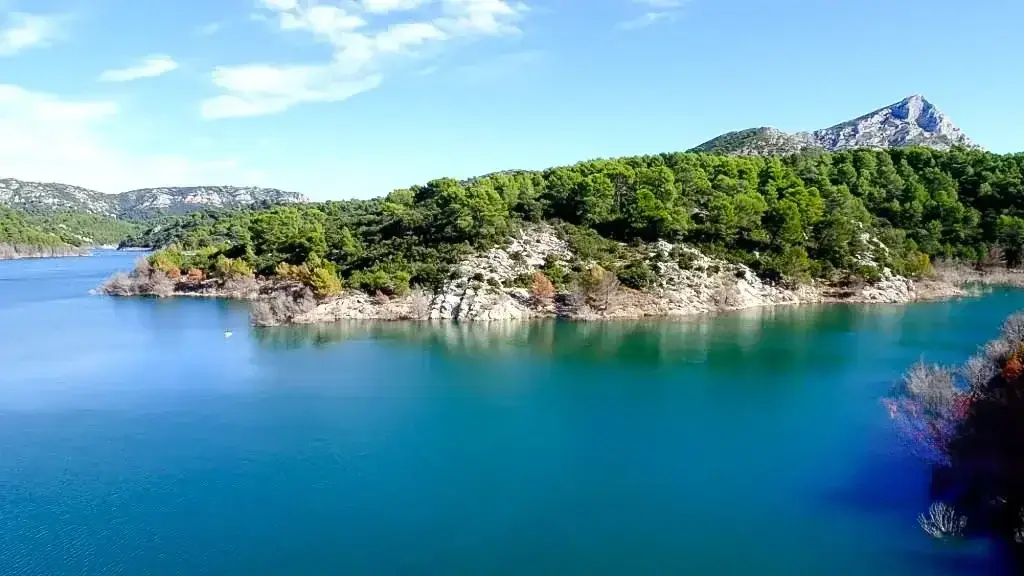
Lake Bimont and Lake Zola
🟢 Easy
9,40 km - 3h25
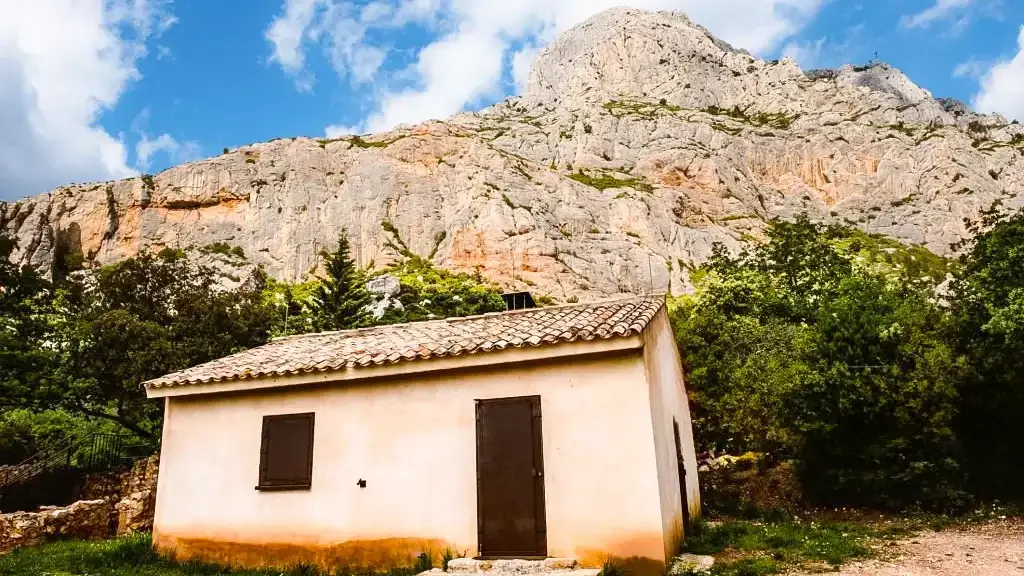
Cézanne Refuge from the Bouquet Parking Lot
🟡 Moderate
3,58 km - 1h30
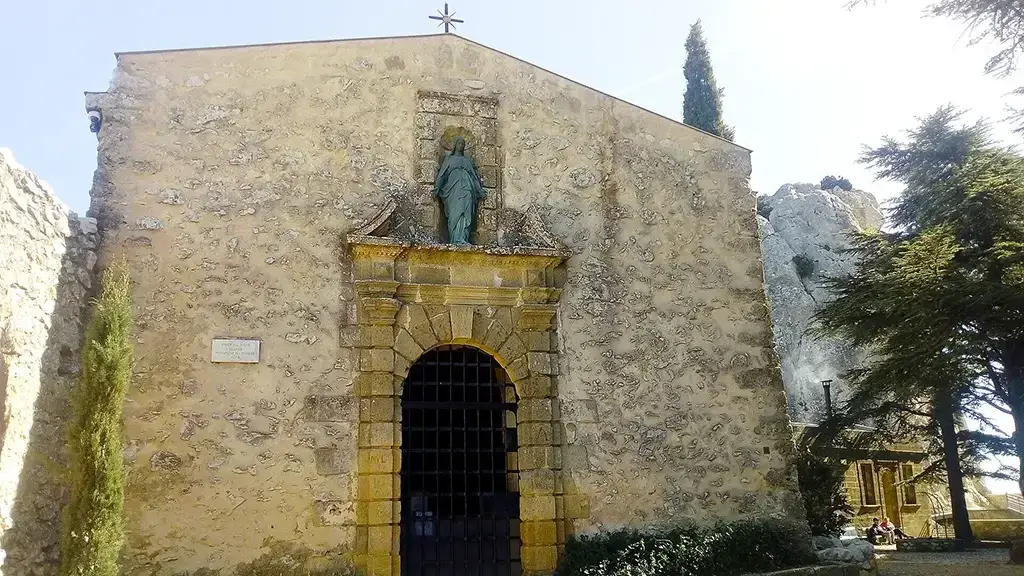
Sainte-Victoire: Cézanne Refuge and the Priory
🟡 Moderate
18,24 km - 7h50
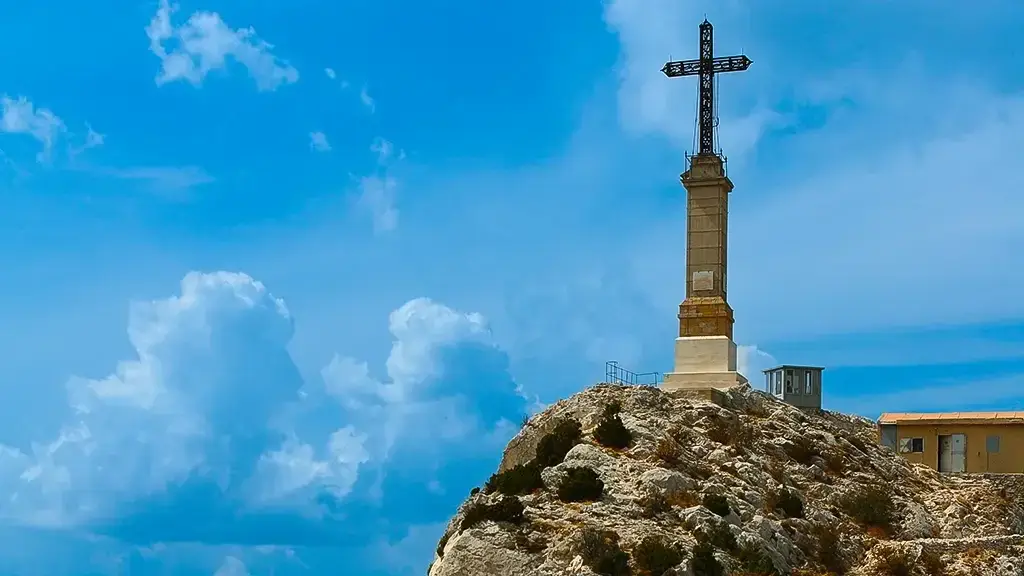
The Croix de Provence via Les Venturiers
🔴 Difficult
14,94 km - 6h25
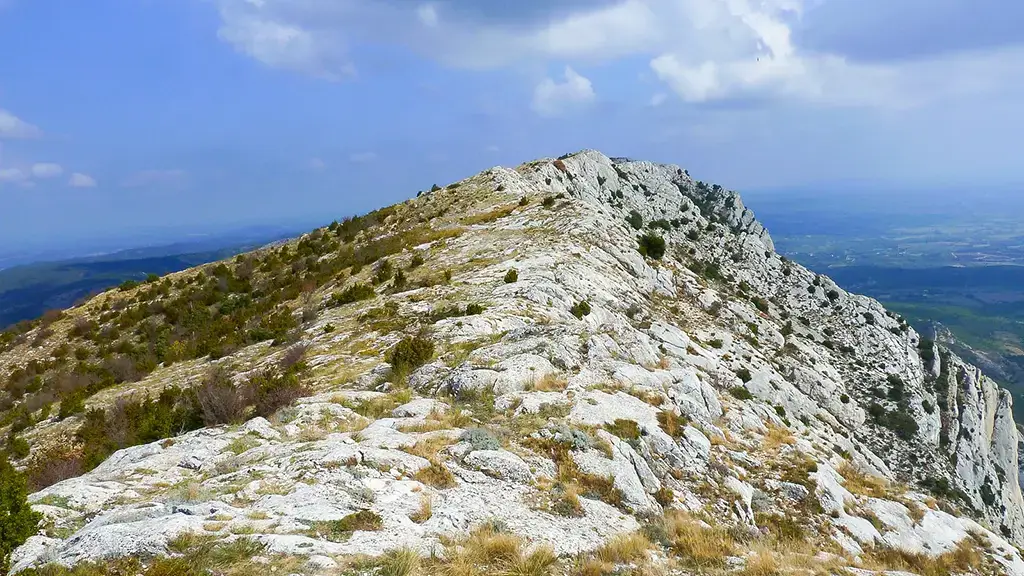
From Pic des Mouches to the Croix de Provence
🔴 Very Difficult
20,54 km - 7h
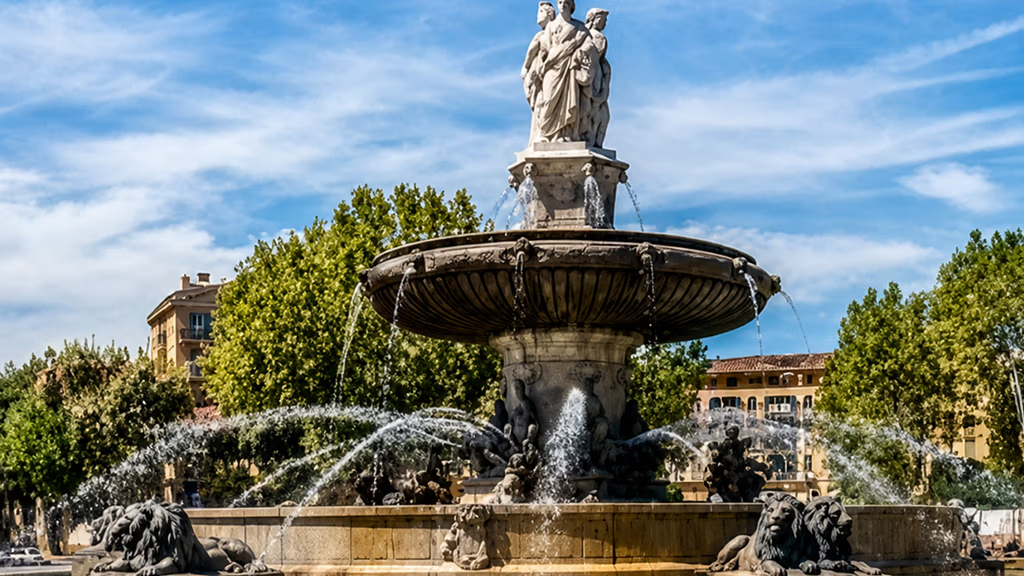
The Historic Center of Aix-en-Provence
🟢 Easy
6,93 km - 2h05
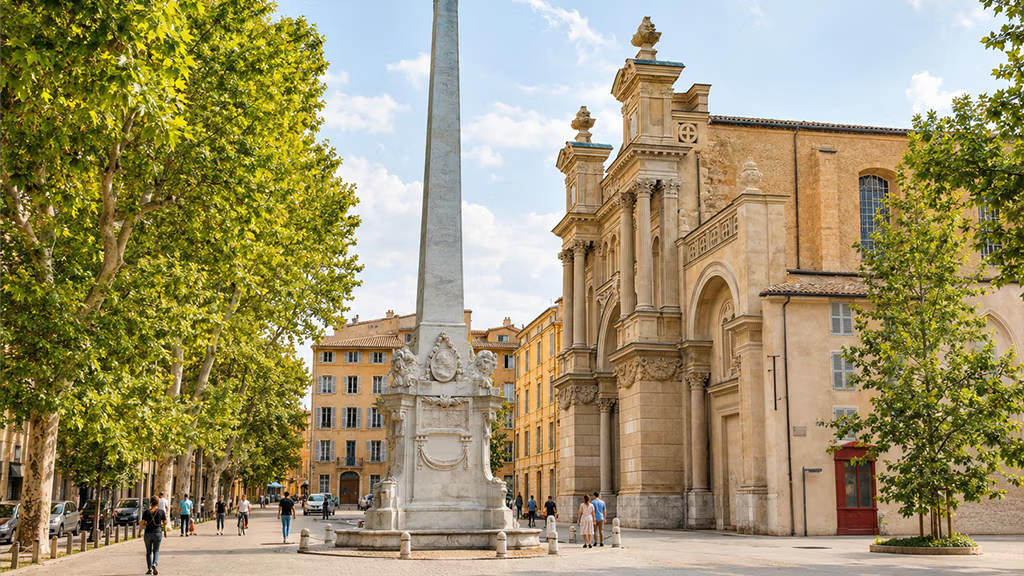
Short Cézanne Circuit in Aix-en-Provence
🟢 Easy
3,54 km - 1h05
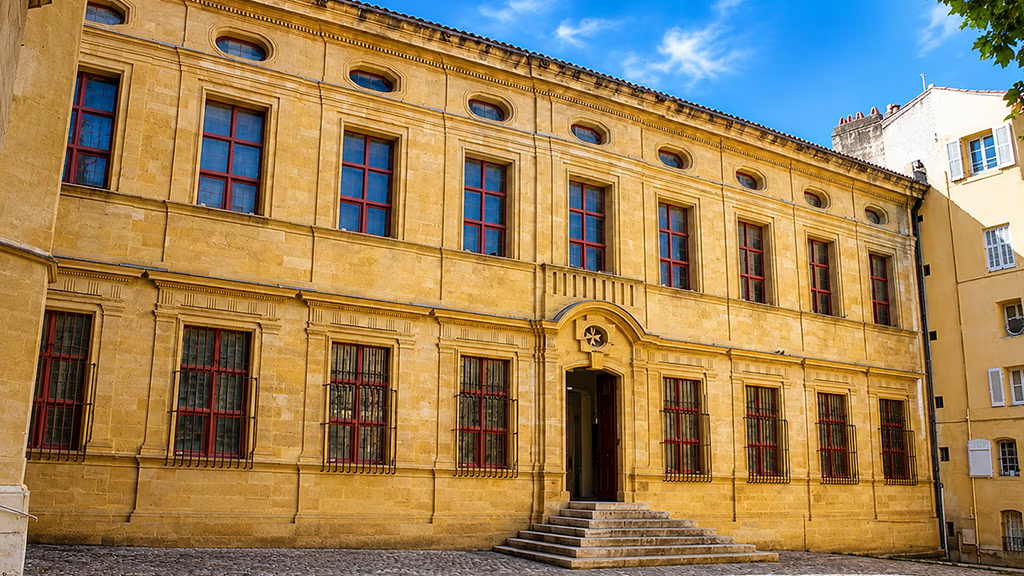
Along the Torse in Aix-en-Provence
🟢 Easy
7,12 km - 2h15
Cézanne’s Mill and the Zola Dam
🟢 Easy
A gentle, cultural walk starting from Le Tholonet, through the landscapes so dear to Cézanne. The trail leads to the 17th-century mill, follows the remains of a Roman aqueduct and its small waterfall, then reaches the Zola Dam. Ideal for families and enjoyable in every season.
Points of Interest: Cézanne’s Mill, now converted into an exhibition space, the ruins of the Roman aqueduct, the waterfall, the Zola Dam, and its views of Sainte-Victoire.
What to Bring: Light hiking shoes, water, and a hat in summer.
Lake Bimont and Lake Zola
🟢 Easy
An easy loop for everyone, connecting the two reservoir lakes of Sainte-Victoire. The route alternates between pine forests, lakeside paths, and viewpoints over the mountain. A peaceful, refreshing getaway just minutes from Belvédère.
Points of Interest: The Bimont Dam, the turquoise waters of the lake, the Zola Dam, and panoramic views of the western face of Sainte-Victoire.
What to Bring: Hiking shoes, water, and sun protection. Bimont Dam is accessible on weekends and public holidays.
Cézanne Refuge from the Bouquet Parking Lot
🟡 Moderate
A short but steady climb to Cézanne Refuge, on the southern side of Sainte-Victoire. The trail crosses the garrigue and offers beautiful views of the mountain cliffs. A brief route, ideal for a half-day outing.
Points of Interest: Cézanne Refuge, views of the southern face, and trails among the holm oaks.
What to Bring: At least 1.5 L of water, hiking shoes, and a snack. Download the GPX track before you leave, as cell service is limited on-site.
Sainte-Victoire: Cézanne Refuge and the Priory
🟡 Moderate
A full-day hike from the Bimont Dam to the Priory of Sainte-Victoire, passing by Cézanne Refuge. The route climbs toward the heights and rewards you with the discovery of the monastic site and sweeping summit views. A complete day in the mountains.
Points of Interest: Cézanne Refuge, the Priory and its 17th-century chapel, the Croix de Provence, and 360° views.
What to Bring: At least 2 L of water, high-cut hiking boots, a windbreaker, and a picnic. Start in the morning and plan for a full day. Avoid in very hot weather.
The Croix de Provence via Les Venturiers
🔴 Difficult
The iconic ascent to the Croix de Provence via the northern side, starting from Vauvenargues. The Venturiers trail climbs through the shade of oak trees before the final ascent to the Priory and the monumental cross. A Sainte-Victoire classic, both athletic and panoramic.
Points of Interest: The historic Venturiers trail, the Priory, the Croix de Provence at 946 m, and panoramic views over the Pays d’Aix and Lake Bimont.
What to Bring: 2 L of water, high-cut hiking boots, and a windbreaker. Demanding climb, good hiking fitness required.
From Pic des Mouches to the Croix de Provence
🔴 Very Difficult
The great ridge traverse of Sainte-Victoire, from Pic des Mouches, the highest point at 1,011 m, to the Croix de Provence. A long, demanding loop with rocky passages and technical sections. Reserved for experienced, well-equipped hikers.
Points of Interest: Pic des Mouches and its orientation table, the ridge traverse, the Priory, the Croix de Provence, and 360° panoramas.
What to Bring: 2.5 L of water, full hiking gear, and an early morning start. Absolutely avoid in wet weather, as the rocks can be slippery, and in strong winds on the ridges. Check the weather forecast the day before.
Historic Center of Aix · The Grand Cultural Loop
🟢 Easy
This longer loop takes in the highlights of Aix-en-Provence’s heritage over nearly 4.5 miles. A city of water, art, and history, the city of King René reveals itself through its fountains, squares, museums, and private mansions. A cultural and architectural itinerary to enjoy at a relaxed pace, with gourmet stops along Cours Mirabeau or on Place Richelme.
The route is accessible to everyone: flat terrain, entirely urban, with Aix-style cobblestones and wide sidewalks. Ideal for a half-day outing, it pairs perfectly with lunch on a terrace in Aix. Art lovers can easily extend the experience with a visit to the Musée Granet or the Hôtel de Caumont, both located along the route.
Points of Interest: Saint-Sauveur Cathedral, the cloister, the façades of Place d’Albertas, the Pavillon de Vendôme, the fountains of La Rotonde, the Four Dolphins and King René, the theaters, and the Moss-Covered Fountain.
What to bring: Comfortable walking shoes, water, and a hat in summer. The city center includes very pleasant pedestrian areas, but they offer little shade in the middle of the day. From June to September, morning or late afternoon is best.
Short Cézanne Circuit · The Best of Aix in One Hour
🟢 Easy
Designed by the Aix-en-Provence Tourist Office, this short loop is the ideal walk for discovering the essentials of the city center when time is limited. One hour is enough to explore the major sites connected to Paul Cézanne and Aix’s heritage, without straying from the historic heart of the city. Starting from the Tourist Office makes parking easy and ensures clear route markings.
Perfect at the beginning or end of a stay at Le Belvédère, this loop is also very well suited to families with young children or occasional walkers. Flat, urban, and largely shaded, the route remains enjoyable even in warm weather.
Points of Interest: The Tourist Office and Cours Mirabeau, Cézanne’s Studio, the Mazarin district, the iconic fountains, and the private mansions of the 17th and 18th centuries.
What to Bring: Comfortable shoes, water, and a city center map available from the Tourist Office. No specific equipment required. Parking is available very close to the starting point, at the Mignet or Pasteur parking lots.
Along the Torse · A Lesser-Known Side of Aix, Between City and Nature
🟢 Easy
Here is the loop that takes you off Aix’s beaten path. Following the course of the Torse River upstream, the route alternates between peaceful residential neighborhoods, a leafy municipal park, and natural areas on the edge of the city center. Half urban, half natural, the itinerary reveals lesser-known ruins and offers a few unexpected views over Aix and its surroundings.
Starting from Parc de la Torse lets you begin the walk in the cool shade of tall trees before heading up toward the hillsides. The elevation gain remains moderate, but adds pleasant variety to the route, giving this loop a slightly more active feel than the previous two while still remaining accessible.
This is the itinerary we recommend to guests who want to experience Aix differently, away from the classic tourist routes.
Points of Interest: Parc de la Torse, the course of the Torse River and its pools, the lesser known ruins mentioned by Visorando, and views over the city from the eastern hillsides.
What to Bring: Closed shoes, as some sections follow dirt paths, water, about 1 liter, and suitable clothing. The route can be done all year, and is especially pleasant in spring and fall. Avoid it during heavy rain, as the riverside path may become muddy.